Editorial Update (November 21, 2026): This chapter was revised after its publication-date slot. Its current text may incorporate information and sources published later than that date. The journal’s dates preserve the daily chapter sequence.
Past to the Future | Volume 8 | Part 6
Historical scope: GNU, licensing, Linux, OSI, collaborative software, digital labor, maintainers, supply-chain security and contemporary open AI definitions. Fictional introductory and closing scenes identified.
A Program That Could Be Studied
In a fictional university laboratory in 1994, a programmer named Rafael received a disk containing the source code for an operating-system component. He wanted to understand why a network service behaved unexpectedly. Instead of waiting for a vendor to explain a hidden implementation, he opened the files and followed the program’s logic. The experience did not guarantee that he could fix the problem, but it gave him a possibility that proprietary distribution often denied.
Rafael and the laboratory are invented narrative devices. The broader development is historical: free-software and open-source communities created systems in which people could inspect, modify and share programs under stated legal terms. The GNU Project’s history and the Open Source Initiative’s account of its founding explain different traditions within this movement.
The previous chapter Social Platforms And The Attention Economy described digital services competing for attention. This chapter explores the people and licensing arrangements behind software, including volunteer labor, paid engineering and the responsibility to maintain shared technological infrastructure.
Software Was Not Always Sold As A Separate Product
During early decades of commercial computing, hardware and software were often supplied together, and users sometimes exchanged code within research or customer communities. As the software industry developed, commercial firms increasingly treated programs as products protected by licensing restrictions.
Those restrictions could support investment in proprietary development while limiting what customers were allowed to copy, study or change. Organizations faced practical questions when a supplier ceased support or when they wanted to move data to another system.
The history resists a simple picture in which software was once entirely free and later became secret. Different communities and companies pursued different licensing and distribution practices, and the legal meaning of access changed across jurisdictions.
The GNU Project Began In 1983
Richard Stallman announced the GNU Project in 1983 to create a free Unix-like operating system. Development began during the following years, and the project produced tools and applications that became widely used within software development.
The term free software refers primarily to freedoms concerning use, study, modification and redistribution, not necessarily to a zero purchase price. This distinction matters because developers can sell services or copies while distributing software that preserves those freedoms.
The GNU Project’s official history documents its founding principles. Debates about the ethics of software sharing shaped the movement alongside practical efforts to build working programs.
Copyleft Changed The Conditions Of Sharing
Licenses such as the GNU General Public License allow specified forms of copying, modification and distribution while imposing conditions intended to preserve the same freedoms in redistributed versions. This approach is often called copyleft.
Licensing is not a substitute for copyright law. It operates through permissions granted by rights holders under stated terms. Different versions of a license and different national laws create details that require careful interpretation.
The Free Software Foundation’s explanation of copyleft makes the relationship clear. A developer must understand the actual license attached to a project rather than assume that all publicly visible code may be reused without restrictions.
Linux Emerged From A Specific Collaboration
Linus Torvalds began developing the Linux kernel in 1991. The kernel works with other system components, and distributions combining it with tools including those from GNU enabled the spread of free Unix-like operating systems.
The history involves thousands of contributors and organizations, not one individual’s work alone. Development expanded through publicly available source code, review of proposed changes and continuing adaptation to different computer architectures.
The GNU Project’s account of its relationship with Linux provides one perspective, while the Linux Foundation discusses the kernel’s collaborative development. The difference between a kernel and a complete operating system remains important to technical accuracy.
The Phrase Open Source Became Prominent In 1998
The Open Source Initiative was established in 1998 during a period of growing commercial and public attention to collaborative software development. The phrase open source emphasized practical benefits of source availability and cooperative improvement, although advocates disagreed about its relationship to the ethical arguments of free software.
The Open Source Initiative’s founding history explains the circumstances. Treating free software and open source as always interchangeable would obscure genuine philosophical differences, even though the communities overlap in many technical projects.
A movement can contain different motivations without being one organization. Some contributors value autonomy and rights, others efficiency, reputation, education or the ability to build a business on shared infrastructure.
A License Determines More Than A Label
Open-source licensing involves conditions about distribution, attribution, source availability or the treatment of modifications. Permissive licenses generally allow a broad range of redistribution arrangements, while reciprocal licenses require certain forms of shared code to remain available under compatible terms.
The Open Source Definition sets criteria for licenses recognized by the Open Source Initiative. A project may be freely downloadable without meeting those criteria, and public access to a repository does not automatically mean the author has granted permission for every use.
Responsible organizations track license obligations, contributor agreements and the provenance of dependencies. Ignoring those details can create legal and maintenance problems even for projects developed with collaborative intentions.
The Internet Needed Shared Components
Web servers, programming languages, network libraries and operating systems formed a foundation for the rapid expansion of online services. Many of these systems used free or open-source licenses, enabling institutions to adapt software rather than purchase every component as a closed product.
Shared infrastructure did not remove the need for expert administrators and secure configuration. A server can use reliable open-source software and still suffer from mismanagement, outdated dependencies or weak passwords.
The earlier chapter How Research Networks Became The Internet explained the value of shared technical standards. Open-source software helped implement those standards in products operated by many independent organizations.
Apache Demonstrated Collaborative Server Development
The Apache HTTP Server project began during the 1990s and became an influential example of collaborative web-server development. Its community created software used by organizations of different sizes, from academic sites to commercial services.
The Apache Software Foundation developed institutions for governance, licensing and project support. These arrangements addressed the question of how contributors could coordinate work without depending entirely upon a single commercial owner’s decisions.
The Apache Software Foundation’s history provides context. The history demonstrates that successful collaboration requires procedures for reviewing changes, managing releases and resolving disputes, not just placing files online.
Mozilla Connected Browser Competition With Community Development
During the late 1990s, Netscape released browser source code and the Mozilla project grew around an effort to build an open browser platform. The later Firefox browser became an important competitor within the changing market for web browsers.
Mozilla’s history was shaped by donations, professional developers, volunteers and commercial partnerships. Its public mission concerning the open internet did not eliminate practical needs for revenue or hard choices about product priorities.
The Mozilla history traces the project’s evolution. Source availability can support competition but does not guarantee that a project will attract users or survive financially.
A Repository Is A Place For Coordination
Version-control systems help developers record changes, compare work and coordinate contributions. Git, created by Linus Torvalds in 2005, became a major tool for distributed software development, enabling contributors to work on separate branches and exchange revisions.
Hosting services later simplified collaboration through issue tracking, pull requests, code review and automated tests. These platforms introduced conveniences alongside dependence on commercial infrastructure and account policies.
The Git project’s official documentation explains the system’s design. A public repository records some decisions but not every conversation, unpaid task or organizational relationship that supports a project.
Review Helps Detect Mistakes, But Is Not Magic
Allowing many people to inspect source code creates opportunities to find errors, improve documentation and test behavior. Yet visibility does not guarantee that someone with appropriate expertise actually reviews each line. Widely used components may receive less sustained attention than their importance warrants.
High-quality projects need maintainers who understand the code, manage incoming reports and decide which changes are safe. Automated testing helps, but it cannot establish that every possible environment or future use has been considered.
Critical thinking about software mirrors the earlier journal chapter Scientific Inquiry And The Authority Of Evidence. Reproducible review and correction strengthen confidence, while unsupported claims of perfection remain unreliable.
Maintainers Did Work That Users Rarely Saw
A widely used library may be maintained by a small number of people who answer bug reports, investigate vulnerabilities and prepare releases. Their contributions can be essential to much larger businesses that depend on the library.
Some maintainers work for employers who sponsor their time; others volunteer while balancing family and paid employment. The mismatch between social importance and compensation can cause exhaustion and delayed maintenance.
Recognition should include documentation, translation, user support and security response, not only the writing of new features. Shared code requires an ongoing social commitment if it is to remain dependable.
The Economics Of Free Software Were Diverse
Companies built businesses around support contracts, consulting, hosting, custom development and complementary products. Others used open-source components inside commercial services while contributing improvements that benefited multiple organizations.
Not every model succeeded. Maintaining software costs money and time, while organizations may expect community projects to supply work without payment. Licenses define permissions but rarely guarantee a sustainable funding mechanism.
Understanding digital labor requires studying who benefits from shared infrastructure and who bears its maintenance costs. The ability to access code for free is not proof that producing and supporting it requires no resources.
Cloud Computing Depended On Many Shared Projects
Large data centers use operating systems, databases, networking tools and automation software to serve applications at scale. Many cloud platforms incorporate open-source components, while also offering proprietary management services and contracts.
Containers and orchestration tools changed how developers packaged and operated applications. Projects such as Kubernetes drew participants from competing companies and independent communities, demonstrating how shared infrastructure could coexist with commercial rivalry.
Complexity introduced new demands for operators, including monitoring, incident response, configuration and resource management. The visible convenience of a cloud service rests upon substantial human and physical infrastructure.
Security Incidents Exposed Hidden Dependencies
A vulnerability in a common library can affect many systems because the same software is reused in different products. The Heartbleed vulnerability disclosed in 2014 affected certain versions of OpenSSL, demonstrating how a critical component could receive insufficient scrutiny despite its broad importance.
Later supply-chain problems exposed risks involving compromised updates, malicious dependencies and inadequate verification of build processes. These threats are not unique to open-source software, but shared dependency networks can magnify their reach.
The answer requires maintenance, careful inventory of components, reproducible builds, security testing and coordinated disclosure. Blaming the openness of a license alone would ignore broader organizational failures.
Software Supply Chains Are Social Relationships
Organizations depend on developers, package registries, maintainers and build systems beyond their own workforce. A small module can become essential to thousands of applications through repeated reuse.
Dependency management is convenient but can introduce unexpected obligations when packages change license, ownership or behavior. Developers need processes for reviewing updates, preserving stable builds and responding when a dependency is no longer maintained.
Software supply chains resemble physical supply networks in one respect: reliability depends on the organizations and people behind components, not simply on the promise of a final product.
Public Institutions Could Gain Independence Through Open Code
Governments, universities and libraries sometimes adopt open-source software to reduce dependence on a single supplier, inspect security practices or adapt systems to local needs. These goals can be meaningful where budget constraints or long-term data access are major concerns.
Yet migration has costs involving training, compatibility, support and specialized expertise. A poorly managed open-source deployment can be more expensive or less secure than a well-supported proprietary alternative.
Public procurement should therefore compare actual services, costs and rights rather than assume that one license category is automatically best for every institution.
Community Governance Needed Rules
Large projects establish decision processes for changes, release schedules, behavior standards and disputes. Maintainers may delegate responsibilities or create foundations to manage shared infrastructure and funds.
Governance can improve transparency, but organizations still face imbalances of time, technical expertise and commercial influence. A corporation paying full-time contributors may shape development priorities even when participation is formally open.
Community health involves the ability of new contributors to learn, ask questions and challenge decisions without facing harassment. Technical merit does not make respectful collaboration unnecessary.
Open Source Was Not The Same As Public Domain
Public-domain material may generally be used without copyright licensing restrictions, subject to jurisdiction and other laws. Open-source software often remains copyrighted, with its license granting conditional permissions.
A photograph released as CC0, a source-code file under an MIT license and a program under a GPL license have different legal implications. Combining them without checking terms can lead to incorrect assumptions about redistribution.
The Open Source Initiative’s license list is a useful starting point, but legal interpretation depends on the actual documents and context. Editors and developers should preserve attribution where required.
Accessibility Also Depended On Code And Community
Open software communities developed screen readers, translation systems, accessible web frameworks and educational applications. Shared code can permit adaptations for languages or disabilities that large vendors may not prioritize.
However, merely making source available does not ensure an application is accessible. Developers need testing with users, clear design standards and resources to maintain accessibility features.
The W3C Web Accessibility Initiative provides practices that projects can apply regardless of licensing model. Inclusion is an outcome of deliberate design and accountability.
Software Work Crossed National Borders
Developers contributed to projects from countries with different educational systems, wages and network quality. Remote collaboration could create opportunities for skilled workers far from major technology centers.
At the same time, time-zone differences, language barriers and unequal access to conferences or paid employment affected who could influence governance. A contributor might produce important work while lacking a vote in organizational decisions.
The earlier chapter Global Migration, Indenture And Unequal Opportunity considered very different historical forms of work across borders. Modern software collaboration again raises questions about unequal opportunity, though it must not be equated with coercive labor systems.
Artificial Intelligence Introduced New Licensing Questions
Machine-learning systems depend on code, model parameters, training data and infrastructure. A project may publish some components while withholding training data or weights. The term open can therefore refer to quite different levels of access.
The Open Source Initiative’s Open Source AI Definition is an effort to specify meaningful freedoms in this context. Its terminology and community debates are contemporary developments rather than standards that existed during the GNU movement’s founding.
Evaluating such projects requires asking what users can inspect, modify, run and share. A promotional label alone cannot answer those questions.
The distinction between writing a program and keeping it safe becomes especially visible after years of operation. A developer may create a useful library and move to other work, while schools, hospitals or companies continue relying upon it. New operating systems and security requirements can expose defects that were not understood when the original code was written. Without clear maintainership or funding, users may discover that the freedom to repair software comes with the practical difficulty of finding someone willing and qualified to do so. Responsible organizations should budget for maintenance instead of treating a free download as a permanent support contract.
Volunteer communities also require pathways for new members to contribute. Documentation, small introductory tasks, mentorship and constructive code review help people acquire expertise, while hostile communication can drive away newcomers. These conditions affect technical quality because a project with only one overburdened reviewer may struggle to inspect changes or respond to urgent vulnerabilities. Community governance is therefore not a decorative addition to engineering. It shapes the long-term reliability of code used by people who may never know the names of its creators.
Publicly funded software introduces another policy question. When governments purchase custom systems, contracts determine whether source code can later be inspected, reused by another agency or maintained by a different supplier. Some administrations have argued for releasing appropriate publicly funded code to encourage transparency and avoid paying repeatedly for similar work. Others identify security or privacy reasons for restrictions in particular projects. The correct approach depends on the system and its risks, but procurement rules should make those decisions explicit rather than allowing default ownership terms to determine the public’s long-term options.
A Shared Tool Still Needed Someone To Care For It
In the fictional ending, Rafael fixes the networking defect but then discovers that the project’s maintainer has received hundreds of similar reports and works without stable funding. Rafael submits a carefully tested patch and a clear explanation, realizing that access to source is the beginning of responsibility rather than its end.
Open-source development expanded the possibilities for learning, competition and cooperation. It also exposed the dependence of digital systems on labor that may be unpaid or inadequately recognized. The best projects combine shared technical freedom with responsible governance and maintenance.
Shared infrastructure also depends on responsible users. Organizations that adopt free software should report problems clearly, keep installations updated and contribute fixes or funding when feasible. Collective freedom becomes more sustainable when benefits and obligations are recognized across the many communities that rely on the same tools. The next chapter examines data, privacy and surveillance. Open code can support examination of software behavior, but it does not by itself determine whether an institution collects data fairly or respects the people whose information it handles.
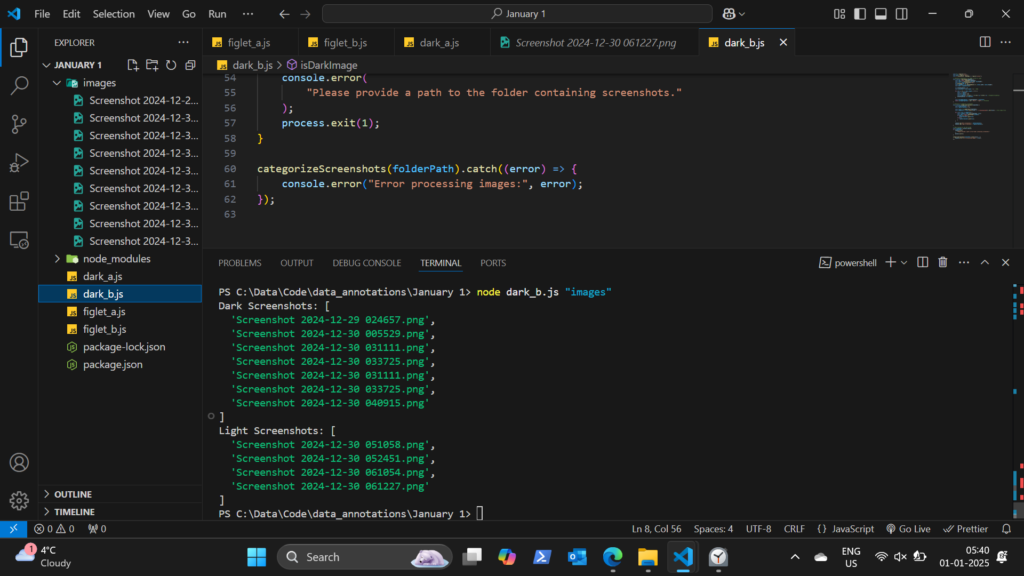
Historical Sources And Fictional Disclosure
Rafael and all personal scenes are fictional. The factual framework uses the GNU Project’s history, the Open Source Initiative’s founding record, the Open Source Definition, the Apache Software Foundation’s history, the Mozilla project’s history and the official Git project documentation. The featured CC0 code-editor screenshot illustrates development work, without implying that its visible software or every dependency is public domain.