The Empty Chair
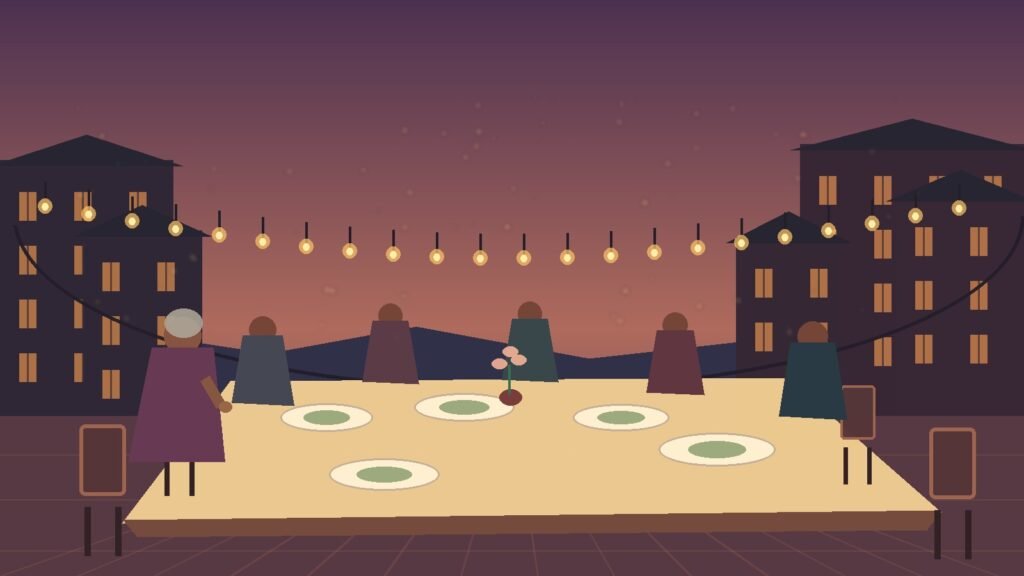
On the morning his father turned seventy, Ali found a chair waiting at the head of the dining table. It was the old cane-backed one, repaired three times, with a cushion his mother had sewn from a faded wedding shawl. Every year his father occupied it like a minor king. This year he stood beside it, smiling too hard, and announced that he preferred to eat standing up.
The family laughed. Ali laughed too. Then he noticed how carefully his father moved, how he avoided bending to retrieve a fallen spoon, and how he kept glancing toward the bathroom door. His father, who could explain the wiring of an entire building with a pencil and the back of an envelope, had suddenly lost the ability to explain his own discomfort.
By noon the birthday guests had gone. The chair remained empty. Ali found his father on the balcony, holding a cup of tea that had long since cooled. “You can tell me,” Ali said. His father stared at the street. “Some troubles are not meant for conversation.”
A Word Nobody Wanted to Say
It took another day and a small, frightening spot of blood for the word to emerge. Hemorrhoids. His father whispered it as though naming a family scandal. Ali searched the term on his phone, read three alarming headlines, and made the mistake of reading them aloud. His father asked him to stop.
“We have built bridges,” the older man said. “We have sent machines into space. And still we cannot speak normally about a part of the body that every human being has.”
Ali did not know what to say. He had inherited his father’s stubbornness and his mother’s talent for pretending everything was fine. When the clinic receptionist asked the reason for the appointment, he almost said “a private issue.” Instead he gave the symptom plainly. The receptionist did not flinch. She had heard it before, and the world did not end.
The Doctor’s Office
Dr. Samina listened without interrupting. She asked when the discomfort began, whether there was itching or a lump, whether the bleeding was new, and whether his father had noticed changes in his bowel habits. Ali’s father answered the first question and tried to evade the second. The doctor waited. Silence, Ali realized, could be generous rather than judgmental.
She explained that hemorrhoids are swollen or inflamed vascular cushions in or around the anus and lower rectum. Internal hemorrhoids can cause painless bright-red bleeding, while external ones may itch or hurt; a clot in an external hemorrhoid can be especially painful. Straining, constipation, prolonged sitting on the toilet, pregnancy, and other factors that increase pressure in the area can contribute. But symptoms alone cannot prove that hemorrhoids are the cause.
“Especially bleeding,” she said. “Never assume its source without an assessment.” She described what an examination might involve and why persistent symptoms, new bleeding, severe pain, or concerning changes needed proper medical attention. His father listened with the fierce concentration he once reserved for architectural drawings.
After the examination, the doctor discussed an appropriate plan. Softer stools, more dietary fiber introduced gradually, sufficient fluids where medically appropriate, regular movement, and avoiding prolonged straining could help. Warm sitz baths might ease discomfort. Some people benefit from short-term treatments, while persistent or severe cases can require office procedures or surgery. She emphasized that medicines and procedures should be chosen for the individual’s symptoms and medical history, not from an advertisement.
The Inheritance of Silence
On the drive home, his father watched buses stop and start in the traffic. “My own father never saw a doctor for things like this,” he said. “He would have considered it weakness.”
Ali wanted to ask whether his grandfather had suffered. He wanted to ask how many men had lived in unnecessary pain because embarrassment was mistaken for dignity. Instead he said, “You taught me to repair a leaking pipe before it damaged the house.”
His father gave a short laugh. “A person is not a pipe.”
“No,” Ali said. “A person deserves more care.”
That evening his mother served lentils, vegetables, and fruit without turning dinner into a lecture. His father set a glass of water beside his plate. Nobody announced a cure. Nobody pretended the matter was solved overnight. They talked about the neighbor’s noisy generator and the price of tomatoes. The ordinary conversation was a relief.
The Second Chair
A week later, Ali found his father in the workshop sanding the arm of an old chair. The man had been resting more often and following the clinician’s advice, though he still complained about the indignity of being told not to linger over the newspaper in the bathroom.
“This one is for the clinic,” he said, tapping the wood. “The waiting room chairs are terrible.”
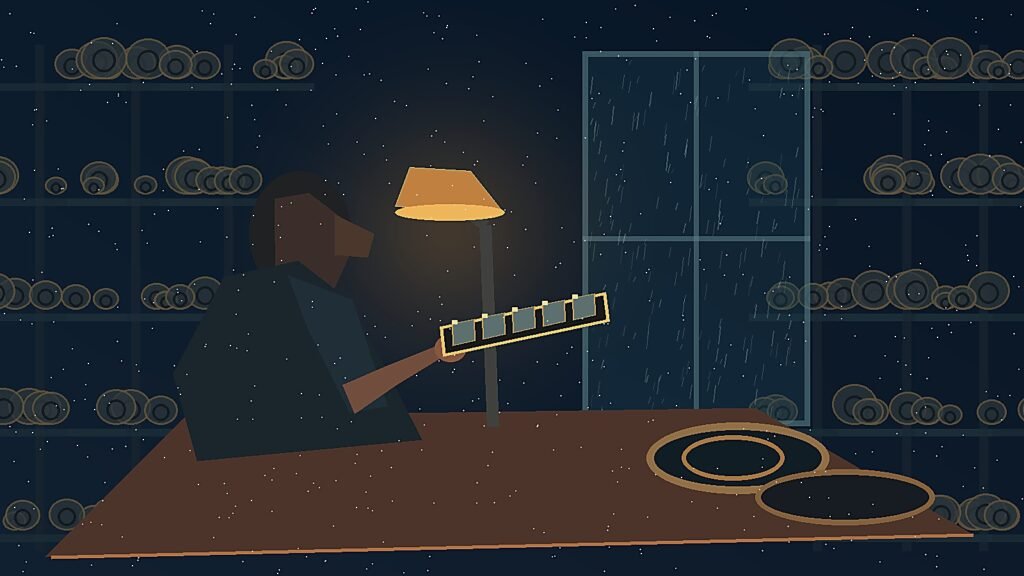
Ali watched him work. The replacement seat was broad and comfortable, with a sturdy frame and smooth edges. On the underside, where nobody would see it unless they turned the chair over, his father carved a small sentence: ASK BEFORE YOU SUFFER.
“A little dramatic,” Ali said.
“It is a birthday present,” his father replied. “I am allowed to be dramatic.”
They carried the chair to the clinic together. Dr. Samina thanked them, then pointed out that a comfortable chair could not replace a diagnosis. His father nodded solemnly. “I know. The chair is for the waiting. The asking comes first.”
On the way out, a younger man entered the reception area, red-faced and unable to meet anyone’s eyes. Ali’s father held the door for him. He did not offer unsolicited advice or share his own story. He simply made room, as someone had finally made room for him.
At home, the birthday chair stood again at the head of the table. His father sat down carefully, not because he was defeated, but because he was learning to be kind to a body that had carried him through seven decades. Ali passed him the bread. Neither of them mentioned bravery. They had discovered a quieter name for it: asking for help.
Editorial Note: Fiction and Health Information
This story is fictional and is not a diagnosis or a treatment plan. Hemorrhoids are swollen vascular structures in the anal or lower rectal area that can cause bleeding, itching, swelling, or discomfort. Rectal bleeding can also have other causes, some serious, so new or persistent bleeding should be assessed by a qualified clinician. Seek urgent medical attention for heavy bleeding, faintness, or severe pain. For reliable patient guidance, consult the US National Institute of Diabetes and Digestive and Kidney Diseases (NIDDK) or a licensed healthcare professional.
Medical reference: NIDDK: Hemorrhoids.